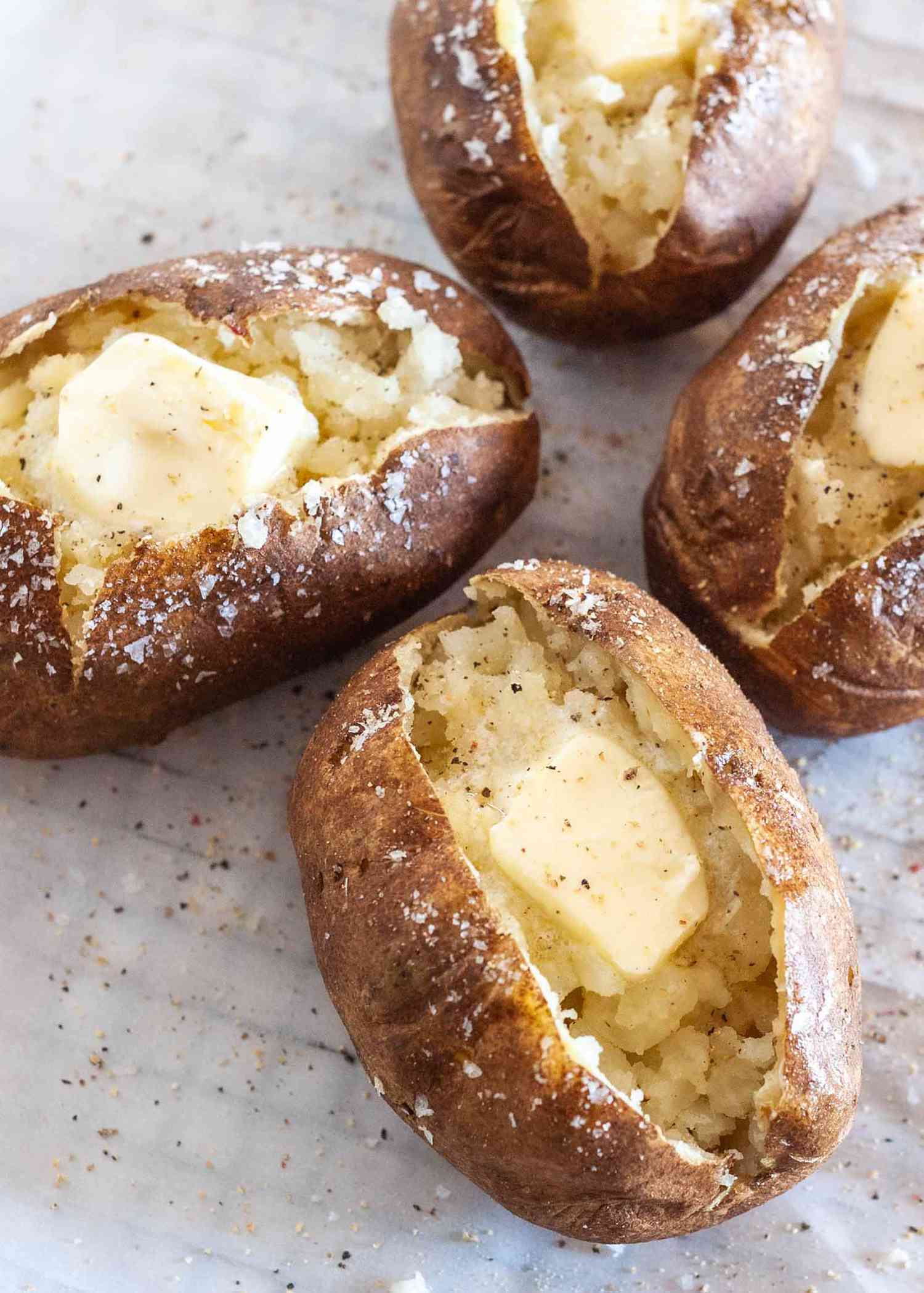
How to Master the Perfect Baked Potato: Crispy Skin, Fluffy Inside
Is there any food more universally comforting, versatile, and satisfying than a perfectly baked potato? Simple yet sublime, it’s a culinary masterpiece that demands little but delivers immensely. Forget sad, soggy spuds or dry, crumbly interiors. We’re here to guide you through crafting the ultimate, truly
perfect baked potato recipe: one boasting an irresistibly crispy skin and a light, airy, cloud-like interior that practically melts in your mouth. This isn't just a side dish; it's a blank canvas awaiting your culinary creativity, whether dressed simply with butter and salt or piled high with decadent toppings.
While there are many ways to cook a potato – microwaved, air-fried, boiled – the oven method remains the gold standard for achieving that coveted contrast of textures. It's a foolproof technique that, once mastered, will have you looking forward to potatoes night after night. So, roll up your sleeves, and let's unlock the secrets to baking a potato that will impress every time.
The Foundation of Fluff: Choosing the Right Potato
The journey to the perfect baked potato begins long before it ever touches the oven rack – it starts with selecting the right spud. Not all potatoes are created equal when it comes to baking, and choosing wisely is paramount for achieving that desired fluffy interior.
The undisputed champion for baking is the
Russet potato, often also known as an Idaho potato. Here’s why Russets reign supreme:
*
High Starch Content: Russets are naturally high in starch and low in moisture. This composition is crucial because as the potato bakes, the starch granules expand and separate, creating that wonderfully light, mealy, and fluffy texture we crave.
*
Thick Skin: Their robust skin is ideal for crisping up beautifully in the oven, forming a protective barrier that locks in moisture for the interior while developing a delightful crunch.
Conversely, potatoes like Yukon Golds or red-skinned varieties, which are waxier and have a higher moisture content, simply won't yield the same fluffy results when baked. Their denser texture is better suited for boiling or roasting where you want them to hold their shape. For a truly superior result, always reach for the Russets. For an even deeper dive into potato varieties and their baking nuances, check out our guide on
°F Perfection: Your Guide to Fluffy Russet Baked Potatoes.
The Essential Steps for Your Perfect Baked Potato Recipe
Once you have your star ingredient, it’s time to prepare it for its grand transformation. Each step, though simple, contributes significantly to the final outcome.
Preparation is Key: Scrub, Prick, and Pat Dry
Before anything else, give your potatoes a thorough spa treatment.
1.
Scrubbing: Under cool running water, use a stiff brush to vigorously scrub away any dirt, debris, or lingering blemishes from the potato skin. Since you’ll want to eat that delicious crispy skin, cleanliness is crucial.
2.
Drying: This step is often overlooked but is absolutely critical for crispy skin. Pat each potato completely dry with a clean kitchen towel or paper towels. Any residual moisture will steam the skin rather than crisp it.
3.
Pricking: Using a fork, prick the potato 5-6 times evenly all around. These tiny perforations act as vents, allowing steam to escape during baking. This prevents the potato from building up pressure and potentially bursting open in your oven (and making a mess!).
The Golden Touch: Oil and Seasoning
For that enviable crispy skin, a little external treatment goes a long way.
1.
Oiling: While not strictly mandatory, brushing your potatoes with a thin layer of olive oil or another neutral oil (like avocado or grapeseed) is highly recommended. The oil helps conduct heat, promoting a beautifully crisp exterior. If you prefer, melted butter can also be used for a richer flavor. Use about 1 teaspoon of oil per medium potato.
2.
Seasoning: A generous sprinkle of coarse sea salt or kosher salt on the oiled skin is non-negotiable. Not only does it season the skin, but it also helps draw out surface moisture, further contributing to that desired crispness. Freshly ground black pepper is also a welcome addition.
The Heat is On: Optimal Baking Temperature and Time
Temperature control is perhaps the most critical factor in achieving the "crispy skin, fluffy inside" dichotomy.
1.
The Magic Number: For the truly perfect baked potato, set your oven to a consistent
400°F (200°C). This high temperature is ideal because it's hot enough to crisp up the skin effectively while ensuring the interior cooks thoroughly and develops that desired fluffy texture without drying out. Baking at a lower temperature, like 350°F, might take longer and often results in a less crispy skin.
2.
Baking Time: On average, a medium-sized Russet potato (about 8-10 ounces) will take approximately
1 hour to bake at 400°F. Larger potatoes may require an additional 15-20 minutes.
3.
Checking for Doneness: Don’t just rely on the clock. A perfectly baked potato will yield easily when squeezed gently (use an oven mitt!) and a skewer or fork inserted into its center should glide in with little to no resistance. For ultimate precision, an instant-read thermometer inserted into the thickest part should read between 205-212°F (96-100°C).
Foil or No Foil? The Crispy Skin Debate
This is a point of contention for some, but for anyone seeking crispy skin, the answer is unequivocally clear:
NO FOIL!
Wrapping a potato in aluminum foil during baking essentially steams it. The foil traps moisture, preventing the skin from drying out and crisping up. The result is a soft, often rubbery skin that lacks any appealing texture. To achieve that beautiful crunch, bake your potatoes directly on the oven rack. If you're concerned about drips, place a baking sheet on the rack below, or bake the potatoes directly on a baking sheet, ensuring they have plenty of space between them for air circulation. For a more detailed exploration of why foil is detrimental to the perfect baked potato, read our comprehensive guide:
Unlock the Secrets to Perfect Baked Potatoes (No Foil Needed!).
Beyond the Basics: Tips for Perfection and Avoiding Pitfalls
Even with the right recipe, a few extra tips can elevate your baked potato game from great to truly exceptional.
*
Don't Overcrowd the Oven: Give each potato its space. Overcrowding inhibits air circulation, which is vital for even cooking and crisping.
*
Serve Immediately: A baked potato is at its absolute peak of perfection right out of the oven. The contrast between the hot, fluffy interior and crispy skin diminishes as it cools.
*
The "Fluff" Technique: Once cooked, immediately cut a cross slit into the top of the potato. Using your hands (protected by oven mitts!), gently squeeze the potato from the ends towards the center to push the fluffy interior upwards. This aerates the flesh and creates more surface area for toppings.
*
Avoid Overcooking: Baking a potato for too long can lead to a dry, crumbly interior and wrinkly skin. Pay attention to the doneness cues and remove them from the oven as soon as they're ready.
Your Culinary Canvas: Creative Topping Ideas
The beauty of a perfect baked potato lies in its versatility. While a simple pat of butter and a sprinkle of salt is often all you need, it also serves as an incredible foundation for a myriad of toppings, transforming a humble side into a gourmet experience or even a complete meal.
Classic Combinations:
*
Butter and Sour Cream: The timeless duo. Rich, creamy, and undeniably satisfying.
*
Shredded Cheese and Bacon Bits: Cheddar or Monterey Jack melting over the hot potato, paired with crispy, salty bacon.
*
Chives or Green Onions: A fresh, sharp counterpoint to the richness.
Elevated & Meal-Worthy Toppings:
*
Chili: A hearty serving of your favorite beef or veggie chili turns a potato into a substantial meal.
*
Pulled Pork or Chicken: Sweet and tangy BBQ pulled pork or shredded chicken makes for a delicious and filling option.
*
Roasted Vegetables: Broccoli, bell peppers, onions, or mushrooms, perhaps tossed in a little garlic and herbs, add flavor and nutrition.
*
Mediterranean Twist: Feta cheese, Kalamata olives, sun-dried tomatoes, and a drizzle of olive oil.
*
Breakfast Spud: Scrambled eggs, cheese, and a sprinkle of hot sauce.
Don't be afraid to experiment! If it tastes good spooned over mashed potatoes, chances are it will be absolutely divine piled onto a perfectly baked potato.
Conclusion
Baking the perfect potato truly is an art form, but one that is surprisingly simple to master with the right approach. From selecting the ideal Russet to implementing critical steps like proper scrubbing, oiling, and the crucial decision to bake without foil, every detail contributes to that coveted crispy skin and fluffy interior. This
perfect baked potato recipe isn't just a guide; it's an invitation to elevate a simple ingredient into a culinary star. So, preheat your oven, grab your spuds, and get ready to enjoy a deeply satisfying, incredibly delicious baked potato experience that will have you coming back for more.